Autism Back to School: 10 Tips for a Smooth Transition
Back-to-school season can be exciting, but it can also be challenging for autistic children and their families. Changes in routines, classrooms, teachers, sensory environments, and expectations can lead to uncertainty and anxiety. Fortunately, preparing early can make the transition back to school smoother and more successful.
1. Re-Establish School Routines Early
Many autistic children thrive on predictability. Summer schedules often include later bedtimes, sleeping in, vacations, camps, and less structured days.
Rather than waiting until the week before school starts, begin reintroducing school-year routines several weeks in advance.
Consider:
Returning to consistent meal times
Scheduling regular wake-up and bedtime routines
Reintroducing structured activities throughout the day
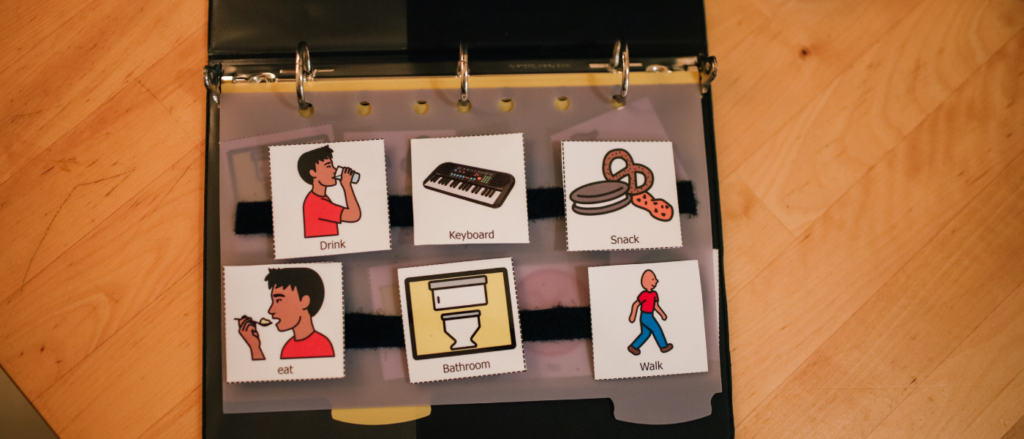
Using visual schedules to outline daily expectations
Small, gradual changes are often easier than abrupt transitions.
2. Gradually Adjust Sleep Schedules
Sleep changes can significantly impact mood, attention, and regulation.
If your child’s summer sleep schedule differs from their school schedule, begin shifting bedtime and wake-up times by 10-15 minutes every few days until you reach your desired schedule.
Consistency is key. Try to maintain similar sleep and wake times, even on weekends, as the school year approaches.
3. Practice Independence Skills
Back-to-school season is the perfect time to build confidence through everyday routines.
Practice skills your child may need at school, including:
Putting on and removing shoes or coats
Carrying and unpacking a backpack
Opening lunch containers and snack packages
Washing hands independently
Following a simple morning routine
Requesting help appropriately
Developing these skills at home can increase independence and reduce frustration during the school day.
4. Use Visual Supports
Visual supports can help make upcoming changes more predictable.
Examples include:
Visual schedules
Countdown calendars
First/Then boards
Checklists for morning and evening routines
Some families find it helpful to create a simple countdown to the first day of school so children know what to expect.
*Visual schedules aren’t the only helpful tool. Many families also use Social Stories for Autism to prepare children for new routines and reduce uncertainty before the school year begins.
5. Talk About the New School Year Positively
Begin discussing the upcoming school year in positive, concrete ways.
You might talk about:
Seeing teachers and friends
Favorite school activities
New opportunities for learning and play
Daily routines they can expect
Avoid overwhelming your child with too much information at once. Brief, positive conversations over time are often most effective.
6. Visit the School Ahead of Time
If possible, visit the school before the first day.
Even a brief visit can help your child become familiar with:
The building
Classrooms
Entrances and exits
The playground
Drop-off and pick-up procedures
For children attending a new school, driving by several times before school starts may also help increase familiarity.
7. Prepare for School Sensory Challenges
Schools can be busy, noisy, and highly stimulating environments.
Consider what sensory challenges your child may encounter, such as:
Cafeteria noise
Crowded hallways
Fire drills
Bright lighting
New sounds or smells
Discuss sensory supports with your child’s educational team when appropriate. Some children benefit from sensory breaks, noise-reducing headphones, fidgets, or other individualized supports.
*If you’re unsure whether your child’s worries are related to changes in routine or anxiety itself, our article on Understanding Autism vs. Anxietyexplains the differences and how they can overlap.
8. Use Social Stories to Reduce Anxiety
Social stories can help children understand what will happen during the school day.
Topics might include:
Riding the bus
Arriving at school
Meeting a teacher
Eating lunch
Asking for help
Managing unexpected changes
Reading social stories repeatedly before school begins can help reduce uncertainty and build confidence.
Even with preparation, transitions can still be difficult.
It is common for children to experience increased fatigue, emotional responses, or changes in behavior during the first few weeks of school.
Give your child time to adjust. Celebrate small successes, maintain routines at home, and continue communicating with your child’s support team.
Most importantly, remember that progress is rarely linear. With patience, consistency, and support, children often become more comfortable and confident as routines become familiar again.
Related Resources
Looking for more back-to-school resources? You may also enjoy:
Many autistic children rely on routines and predictability. Returning to school often involves changes in schedules, sensory environments, expectations, and social interactions, which can increase anxiety and make the transition more challenging.
Ideally, begin preparing several weeks before school starts. Gradually adjusting routines, practicing school skills, and discussing the upcoming year can help make the transition smoother.
Strategies like visual schedules, social stories, practicing independence skills, visiting the school, maintaining consistent routines, and communicating with teachers can all support a successful transition.
Whenever possible, yes. Sharing your child’s strengths, communication preferences, sensory needs, and effective support strategies before the school year begins helps teachers better support your child from day one.
We're Here to Help
At Epicenter ABA Therapy, our team works with families to build individualized strategies that support successful transitions at home, school, and in the community. Through ABA therapy, children can develop communication, flexibility, emotional regulation, and independence skills that help them thrive throughout the school year.
If you have concerns that your child has autism, contact your primary care physician. If you are looking for Applied Behavior Therapy, complete the Epicenter ABA Therapy intake form.
To learn more about Autism click to join Epicenter’sUnderstanding Autism Training Course. We also offer many other trainings related to Autism and Applied Behavior Analysis Training. Our next training in the series is Understanding Autism vs Anxiety.