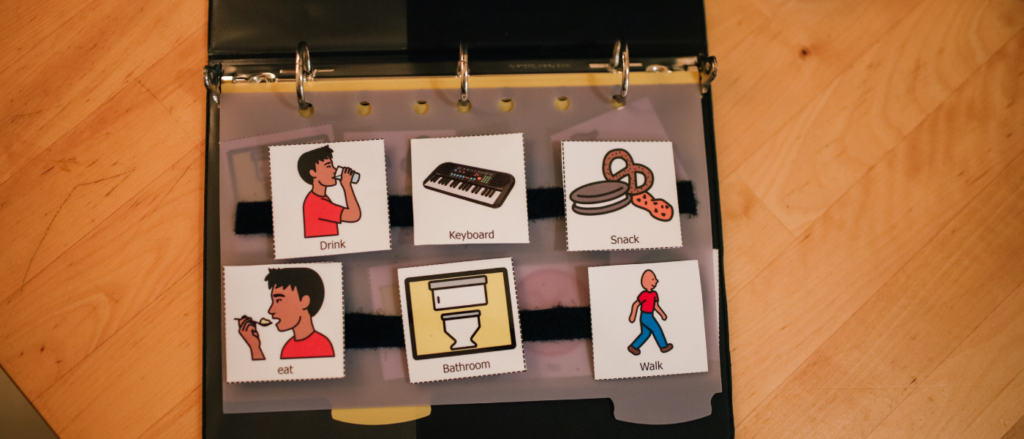
Visual Schedules: Reduce Stress and Anxiety at Home
Transitions, changes in routine, and unpredictable events can trigger stress and meltdowns in children with autism. Visual schedules help children anticipate what’s coming next and provide autism routine support. Visual schedules can significantly reduce anxiety and prevent autism meltdowns before they start. For strategies to support your child during those moments, read our Handling Meltdowns & Big Emotionsguide.
What is a Visual Schedule?
A visual schedule is a set of pictures, symbols, or written steps that represent daily routines or activities.
Benefits include:
Predictability for children
Reduced anxiety and frustration
Support for independent task completion
How to Create Effective Visual Schedules
Keep it simple – 3–5 key steps for each routine
Use pictures or icons – real photos work best for younger children
Position it clearly – at eye level where your child can see
Review daily – walk through the schedule each morning
Praise completion – check off tasks together
Tips for Success
Predictability plays a key role in emotional regulation and can reduce the need for reactive strategies during meltdowns.
Start with one routine at a time (morning, bedtime)
Combine with verbal cues: “Next we brush teeth”
Update as skills improve, gradually reducing visual prompts
Related Resources
Our blog is full of great resources just for you. Check out ones related to this topic or see all of our articles here.
If you have concerns that your child has autism, contact your primary care physician. If you are looking for Applied Behavior Therapy, complete the Epicenter ABA Therapy intake form.
To learn more about Autism click to join Epicenter’sUnderstanding Autism Training Course. We also offer many other trainings related to Autism and Applied Behavior Analysis Training. Our next training in the series is Understanding Autism vs Anxiety.