
Social Stories for Autism: What They Are and How to Use Them
Social stories for autism are one of the most effective tools parents and professionals use to help autistic children prepare for new experiences, understand social situations, and reduce anxiety around change.
If you’ve spent time in the autism community, you’ve probably heard the term social story. But what exactly is a social story, and how can it help your child?
Whether your child is starting school, visiting the dentist, attending a birthday party, or simply learning a new daily routine, social stories can help make unfamiliar situations feel more predictable and less overwhelming. If your family is preparing for the school year, you may also find our guide on What Should I Tell My Child’s Teacher About Autism? helpful.
What Are Social Stories for Autism?
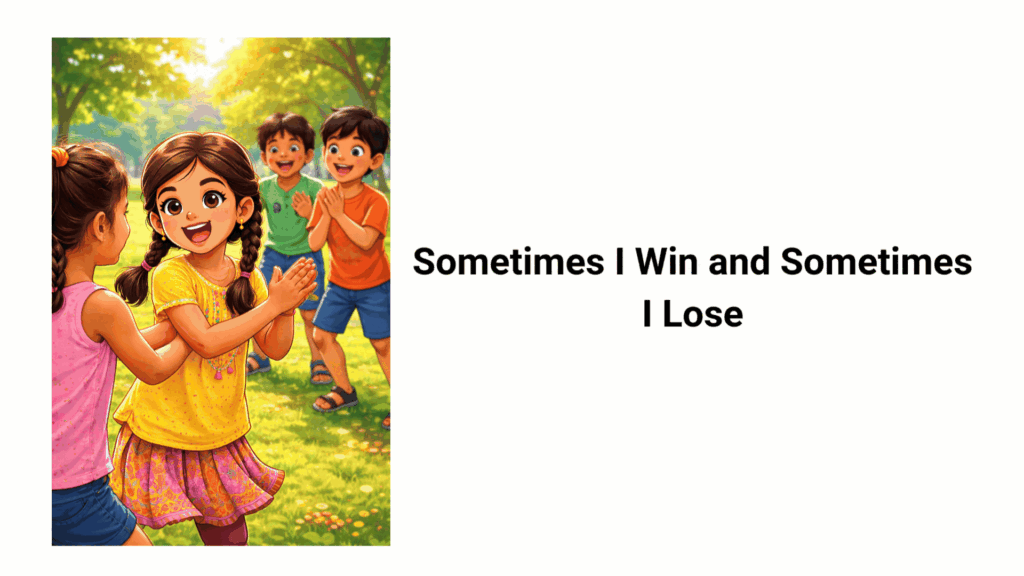
A social story is a short, individualized story that describes a specific situation, skill, or event in a clear and concrete way.
Social stories often include:
What will happen
Who will be involved
What the child may see, hear, or experience
How others might feel or respond
Strategies the child can use during the situation
The goal is not to tell a child exactly how to behave. Instead, social stories help children understand what to expect and reduce uncertainty surrounding new or challenging situations.
Why Do Social Stories Help Children with Autism?
Many autistic children benefit from having information presented visually and concretely.
Unexpected changes or unfamiliar situations can create anxiety because there are many unknowns. Social stories help answer some of those questions ahead of time.
For example, a social story about the first day of school might explain:
“When I get to school, I will walk into my classroom. My teacher may say hello to me. There may be other children in the room. Sometimes classrooms are noisy. If I need help, I can ask my teacher.”
Social stories are one of many ways to help children prepare for changes in routine. For more tips on easing the back to school transition specifically, read our article on Transitioning Back to School.
Social stories can also help reduce anxiety by giving children time to process new experiences before they happen. Knowing what to expect often helps children feel more confident and prepared, especially when facing changes in routine or unfamiliar environments.
*Sometimes it can be difficult to tell whether a child is experiencing anxiety, difficulty with transitions, or something else entirely. Our article on Understanding Autism vs. Anxiety explains how these experiences can overlap and what families should know.
When Can Families Use Social Stories?
Social stories can be helpful for many situations, including:
Returning to school
Starting ABA therapy or speech therapy
Visiting the doctor or dentist
Going on vacation
Attending community events
Trying a new activity
Learning self-care routines
Preparing for holidays or family gatherings
Managing transitions or changes in routine
Social stories can be adapted for nearly any new experience, making them a versatile tool for supporting children with autism at home, school, and in the community.

How to Create a Social Story
You don’t need special training to create a simple social story.
Start by:
1. Identify the Situation
Choose one specific event, routine, or skill.
Examples:
Riding the school bus
Eating lunch at school
Getting a haircut
2. Keep Language Simple
Use short, concrete sentences that match your child’s language level.
3. Include Pictures
Many children benefit from photographs of familiar people and places.
Pictures of your child’s actual classroom, teacher, backpack, or school building can make the story even more meaningful.
4. Focus on Information, Not Rules
Instead of only telling children what they should do, explain what they can expect.
5. Review the Story Repeatedly
Read the story several times before the event occurs and continue reviewing as needed.
Do Social Stories Work for Every Child?
Every child is unique. While social stories can be incredibly helpful for many autistic children, they are just one support tool.
Some children may benefit from combining social stories with visual schedules, role play, visits to new environments, or additional support from their therapy team. Families may also find it helpful to explore strategies for Supporting Communication During Big Emotions, Handling Meltdowns & Big Emotions, and Using Play to Teach Emotional Regulation.
Frequently Asked Questions
Social stories can benefit children of many ages, from preschool through adolescence. The language, pictures, and complexity should be tailored to your child’s developmental level and communication needs.
Yes! Many parents create personalized social stories using simple language and photos of familiar people, places, or routines. Personalized stories are often the most meaningful because they reflect your child’s real-life experiences.
Read the story several times before the event or routine and continue reviewing it as needed. Repetition helps children become familiar with what to expect.
While social stories are commonly used with autistic children, they can also help any child who benefits from extra preparation for new experiences, transitions, or social situations.

Related Resources
Looking for more autism resources? Explore our growing collection of parent guides covering school success, communication, emotional regulation, and everyday strategies for supporting autistic children.
If you have concerns that your child has autism, contact your primary care physician. If you are looking for Applied Behavior Therapy, complete the Epicenter ABA Therapy intake form.